Julis
Script error: No such module "about". Script error: No such module "Settlement short description".Script error: No such module "Infobox".Script error: No such module "Check for unknown parameters".Script error: No such module "Check for conflicting parameters".Expression error: Unexpected < operator Julis (Template:Langx Jūlis, Template:Langx G'ulis)[1] is a Druze village and local council in the Northern District of Israel. In Template:Israel populations it had a population of Template:Israel populations.Template:Israel populations
Etymology
According to local legend, the name is derived from "Julius," the name of a Roman commander who camped in the area. Others say it is from the Arabic word for "sitting" - "jalis", as it is located on lower hills than the surrounding villages, and thus seems to be sitting.
History
Julis was a Jewish village in Talmudic times and had a Jewish presence in the Late Middle Ages (14th-16th centuries).[2] In 1388, Sa'adia Ben Ya'akov copied "The Sufficient Guide" by the Tanhum of Jerusalem, "in the town of Julis... near Acre."[3]
Ottoman period
According to the 1596 Ottoman tax records Julis had a predominantly Druze population, with a total of 79 households. The taxable produce comprised wheat, barley, "summer crops", fruit trees, and "goats and bees". Julis also had a press for olive oil or grape syrup. Total taxes were 7,047 akçe.[4] During the 16th century there was also a small Jewish population.[5]
In the early part of the 18th century Julis was one of the major cotton producing villages in the area.[6] Later in the same century it was one of five villages in nahiya ("subdistrict") Sahil Akka (Acre coast), which were owned directly by the governor of Acre, and were exempt from the usual Ottoman taxes.[7]
A map by Pierre Jacotin from Napoleon's invasion of 1799 showed the place, named as Gioules.[8]
In 1875, the French explorer Victor Guérin visited the village, which he called Djoules.[9] He noted that "before arriving at Julis I came upon a small plateau pierced by many cisterns. The cisterns and the cut stones which are built up in the modern houses show that the place is the site of an ancient town or village. On a neighbouring hill a waly is consecrated to the Sheikh Aly.'"[10] In 1881, the PEF's Survey of Western Palestine described Julis as "a village built of stone containing about 200 Druzes, surrounded by olives and arable land."[11]
A population list from about 1887 showed that Julis had 360 inhabitants; all Druze.[12]
British Mandate
In the 1922 census of Palestine, conducted by the British Mandate authorities, Jules had a total population of 446 residents; 442 Druzes, 3 Christians and 1 Muslim.[13] All the Christians were Orthodox.[14] In the 1931 census it had increased to a population of 614; 586 Druse, 26 Christians, and 2 Muslims, in a total of 123 houses.[15]
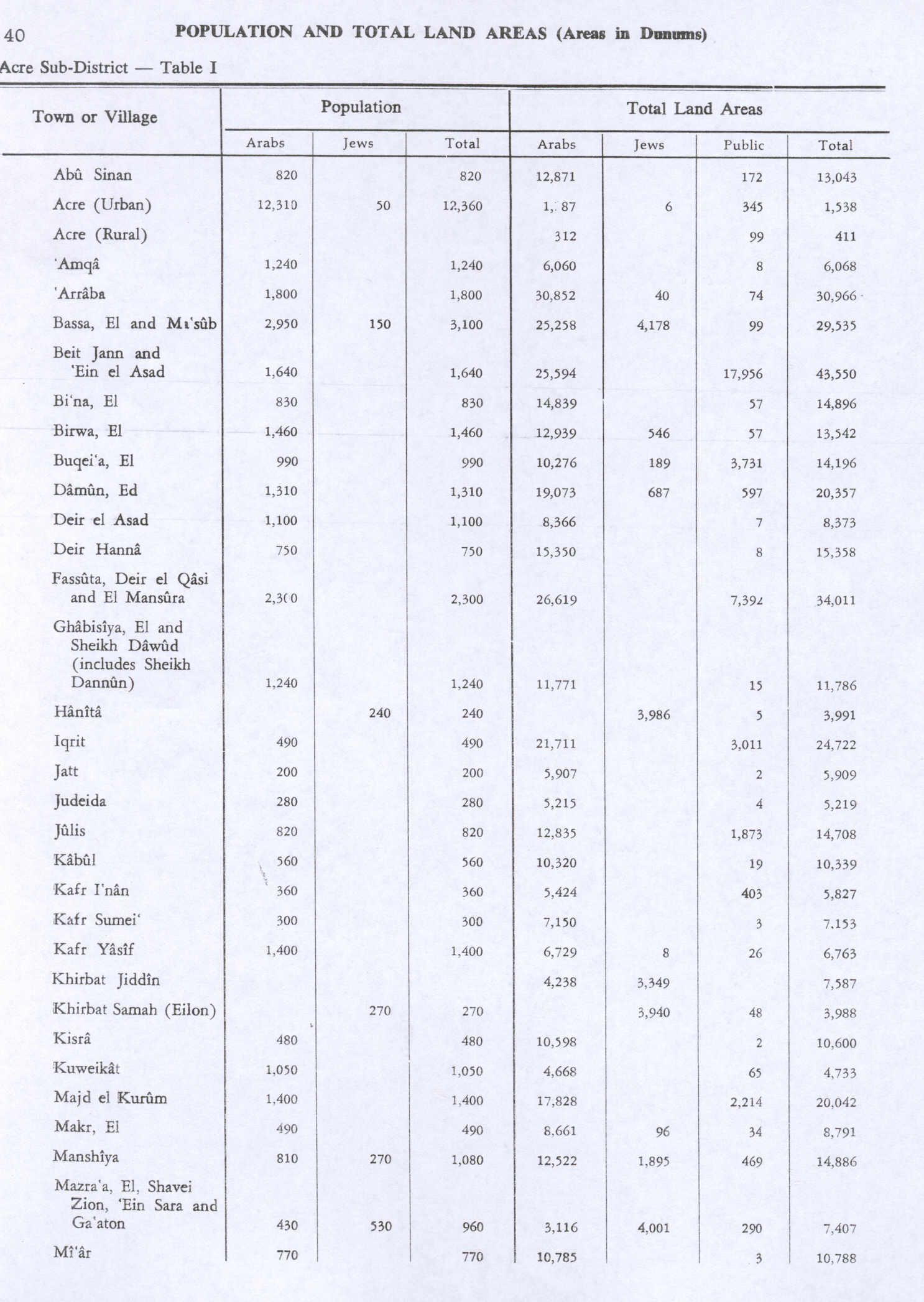
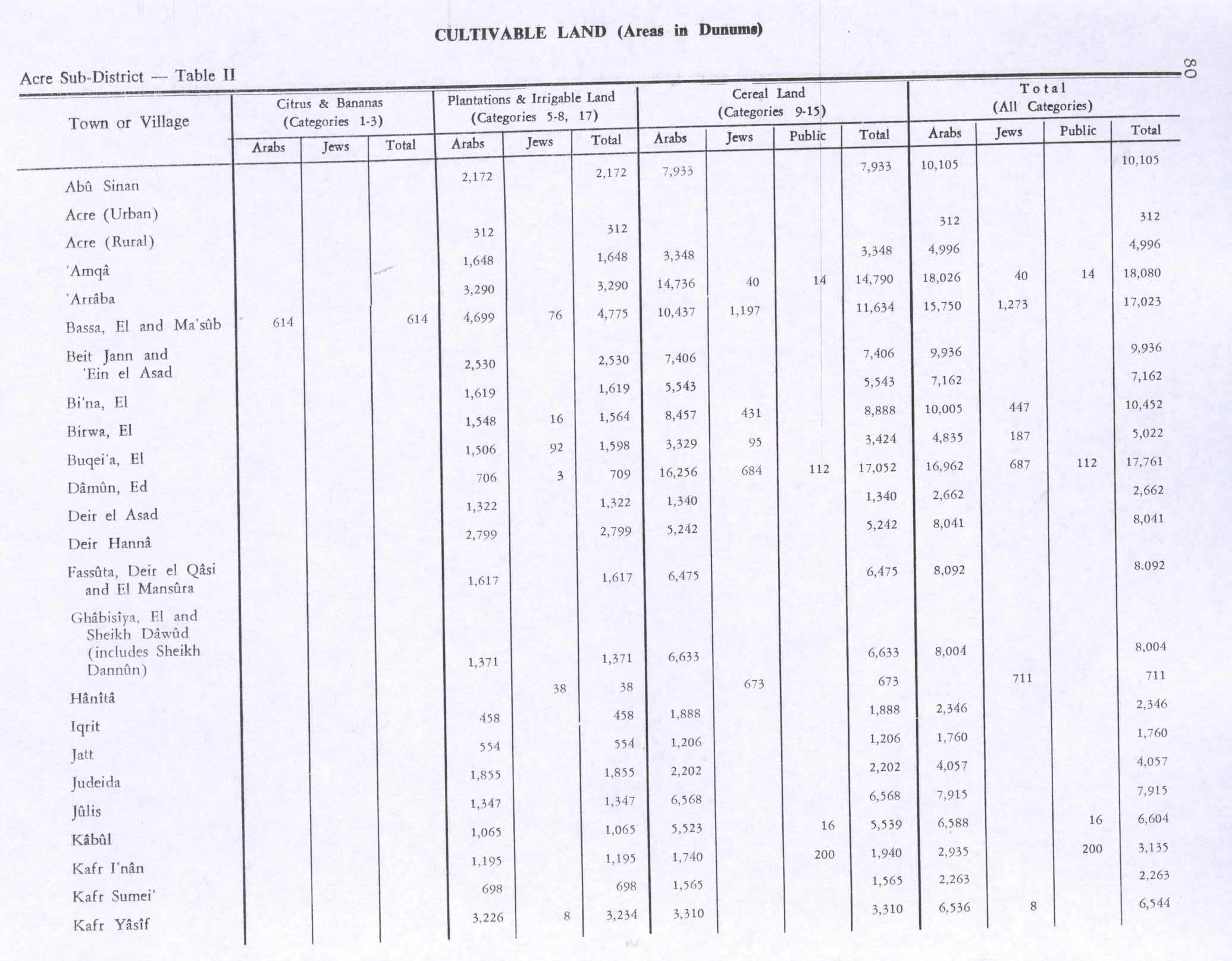
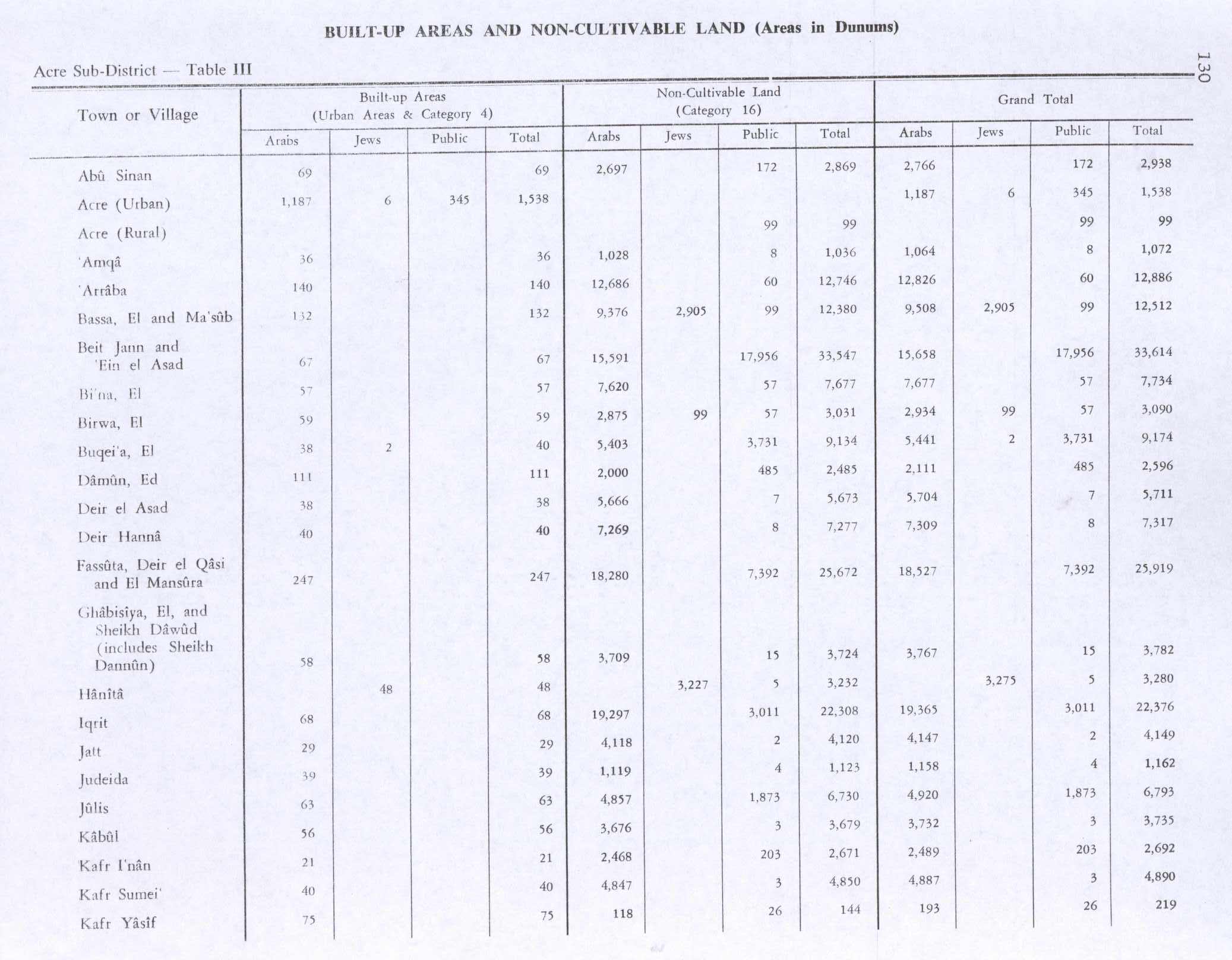
In the 1945 statistics the population of Julis was 820; 40 Christians and 780 classified as others (i.e. Druze),[16] and the total land area was 14,708 dunams, according to an official land and population survey.[17] Of this, 1,347 dunams were plantations and irrigable land, 6,568 used for cereals,[18] while 63 dunams were built-up (urban) land.[19]
Israel
Julis was captured by the Israeli army during Operation Dekel, 8–14 July 1948. Unlike many of the neighboring villages the inhabitants remained in their homes.[20]
.jpg)
In 1967, Julis achieved local council status. The head of the council was Salman Hino. At the end of 2007, the town had 5,400 residents.[21] The annual population growth rate was 1.8%. The residents are Druze.
In 2000, a high percentage (72.1%, compared to 60.3% in Tel Aviv) of all high school students received a matriculation certificate.Script error: No such module "Unsubst". The mean income was NIS 5,067 per month (2007), compared to a national average of NIS 6,743.
Landmarks
.JPG)
- Druze Center House[22]
- Maqam Shaykh al-Farsi - Located to the south of the old village, consisting of two older buildings and a domed one. In an open area there are two cenotaphs with inscriptions which record the life of Shaykh al-Farsi. His date of death is given as 1167 H (1753-1754 C.E.).[23] According to an inscription, the construction of the maqam (shrine) started in August, 1754.[24]
- Sheik Ali Faris cave - Located about 2 kilometers North-East of Julis. In this cave Sheik Ali Faris resided and did his contemplation.
Notable people
- Amin Tarif
- Mowafaq Tarif
- Salah Tarif
- Monia Heno
See also
References
<templatestyles src="Reflist/styles.css" />
- ↑ Palmer, 1881, p.43
- ↑ Script error: No such module "citation/CS1".
- ↑ עמנואל הראובני, לקסיקון ארץ ישראל, ידיעות אחרונות, 2001. יצחק בן-צבי, שאר ישוב: מאמרים ופרקים בדברי ימי היישוב העברי בא"י וחקר המולדת, תרפ"ז, עמ' 168.
- ↑ Hütteroth and Abdulfattah, 1977, p. 191. Quoted in Petersen, 2001, p. 191, For Hütteroth and Abdulfattah typo, see Talk:Julis
- ↑ Script error: No such module "citation/CS1".
- ↑ Cohen, 1973, p. 12. Cited in Petersen, 2001, p. 191
- ↑ Cohen, 1973, pp. 126, 133. Cited in Petersen, 2001, p. 191
- ↑ Karmon, 1960, p. 162 Script error: No such module "webarchive".
- ↑ Guérin, 1880, p. 8
- ↑ Guérin, 1880, p. 8, as translated by Conder and Kitchener, 1881, SWP I, p. 169
- ↑ Conder and Kitchener, 1881, SWP I, p. 146. Cited in Petersen, 2001, p. 191
- ↑ Schumacher, 1888, p. 173
- ↑ Barron, 1923, Table XI, Sub-district of Acre, p. 36
- ↑ Barron, 1923, Table XVI, p. 50
- ↑ Mills, 1932, p. 101
- ↑ Government of Palestine, Department of Statistics, 1945, p. 4
- ↑ Government of Palestine, Department of Statistics. Village Statistics, April, 1945. Quoted in Hadawi, 1970, p. 40
- ↑ Government of Palestine, Department of Statistics. Village Statistics, April, 1945. Quoted in Hadawi, 1970, p. 80
- ↑ Government of Palestine, Department of Statistics. Village Statistics, April, 1945. Quoted in Hadawi, 1970, p. 130
- ↑ Morris, 1987, p. 198
- ↑ Script error: No such module "citation/CS1".
- ↑ The Druze Center House - Hebrew Website
- ↑ Petersen, 2001, p. 191
- ↑ Sharon, 2016, pp. 208-210

Script error: No such module "Check for unknown parameters".
Bibliography
<templatestyles src="Refbegin/styles.css" />
- Script error: No such module "citation/CS1".
- Script error: No such module "citation/CS1". Cited in Petersen, (2001)
- Script error: No such module "citation/CS1".
- Script error: No such module "citation/CS1".
- Script error: No such module "citation/CS1".
- Script error: No such module "citation/CS1".
- Script error: No such module "citation/CS1". Cited in Petersen, 2001.
- Script error: No such module "Citation/CS1".
- Script error: No such module "citation/CS1".
- Script error: No such module "citation/CS1".
- Script error: No such module "citation/CS1".
- Script error: No such module "citation/CS1".
- Script error: No such module "Citation/CS1".
- Script error: No such module "citation/CS1".
External links
- Survey of Western Palestine, Map 3: IAA, Wikimedia commons
- Map, 1946

Template:Arab localities in Israel footer Script error: No such module "Navbox". Script error: No such module "Authority control".