Khawaja
Template:Short description Script error: No such module "redirect hatnote". Script error: No such module "other uses". Template:Usul al-fiqh Khawaja (Template:Langx)Template:Efn is an honorific title used across the Middle East, South Asia, Southeast Asia and Central Asia, particularly towards Sufi teachers.
It is also used by Kashmiri Muslims[1][2] and Mizrahi Jews—particularly Kurdish Jews.[3] The name or title Khawaja was usually given in Arab lands to non-Muslim dignitaries, usually to Jews or Christians. The word comes from the Persian word Script error: No such module "Lang".. In Persian, the title roughly translates to 'Lord' or 'Master'.[4]
The Ottoman Turkish pronunciation of the Persian Script error: No such module "Lang". gave rise to hodja and its equivalents such as Script error: No such module "Lang". in modern Turkish, Script error: No such module "Lang". in Albanian, Script error: No such module "Lang". (Script error: No such module "Lang".) in Armenian, Script error: No such module "Lang". (khoja) in Azerbaijani,[5][6] Script error: No such module "Lang"./Script error: No such module "Lang". in Serbo-Croatian, Script error: No such module "Lang". (Script error: No such module "Lang".) in Bulgarian, Script error: No such module "Lang". (Script error: No such module "Lang".) in Greek, and Script error: No such module "Lang". in Romanian.
Other spellings include Script error: No such module "Lang". (Bengali) and Script error: No such module "Lang". (Javanese).[7] The term has been rendered into English in various forms since the 1600s, including hodgee, hogi, cojah and khoja.[8]
The name is also used in Egypt and Sudan to indicate a person with a foreign nationality or foreign heritage.[9]
Gallery
-
Hodja of Shkodra, from Les costumes populaires de la Turquie en 1873, published under the patronage of the Ottoman Imperial Commission for the 1873 Vienna World's Fair
-
Hodja of Salonika, today's Thessaloniki (first on the right, with the Hakham Bashi of Salonika on the left and a Monastir town dweller in the middle), from Les costumes populaires de la Turquie en 1873, published under the patronage of the Ottoman Imperial Commission for the 1873 Vienna World's Fair
See also
- Khwaja Khizr Tomb at Sonipat
- Afaq Khoja Mausoleum in Kashgar
- Khwajagan, a network of Sufis in Central Asia from the 10th to the 16th century who are often incorporated into later Naqshbandi hierarchies.
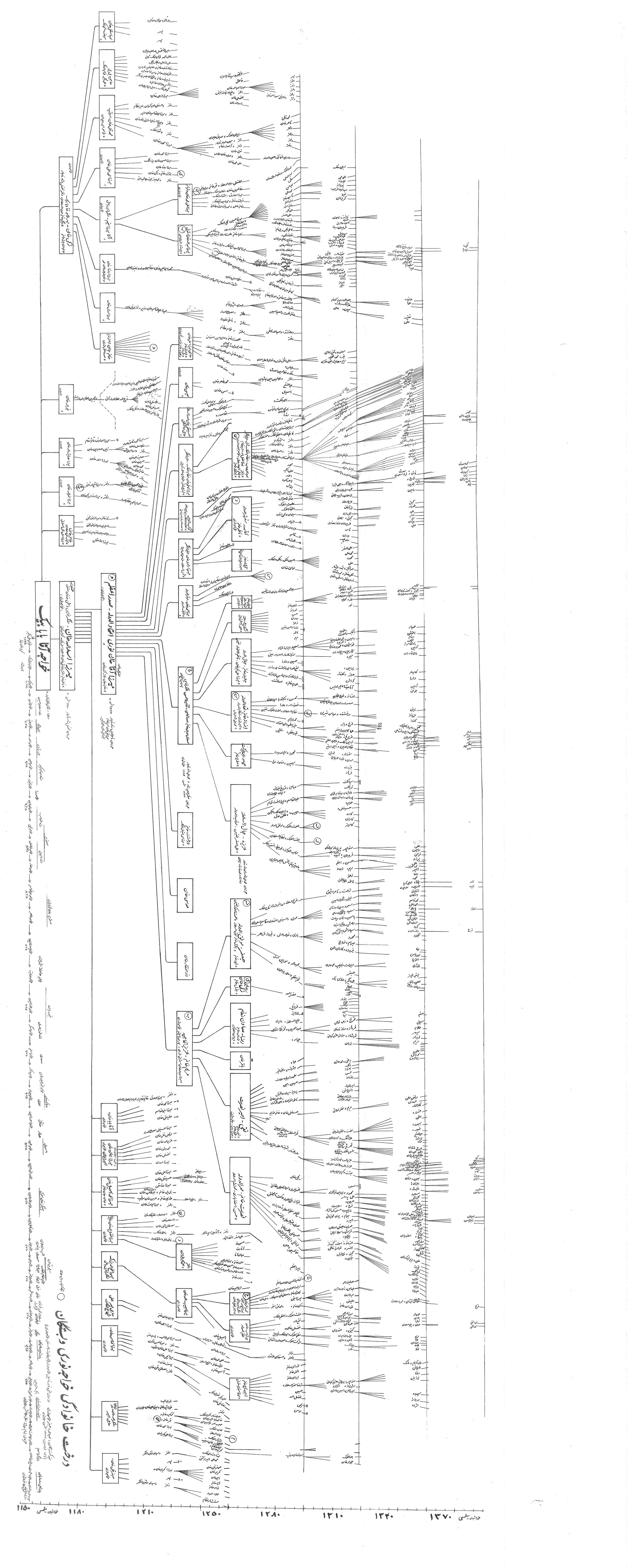
- Khajeh Nouri (Or Khajenouri), a Persian family belonging to pre-revolution nobility, their family tree can be traced back 45 generations.[10]
- Khojaly, a town in Azerbaijan.
- Khoja (Turkestan), a title of the descendants of the Central Asian Naqshbandi Sufi teacher, Ahmad Kasani
- Hoca, Turkish spelling of Khawaja
- Hoxha, Albanian surname
- Hodžić, Bosniak surname
- Koya, a medieval Indian administrative position
- Zohaib Khusru, a contemporary Solutions TPM
Notes
References
<templatestyles src="Reflist/styles.css" />
- ↑ Script error: No such module "citation/CS1".
- ↑ Script error: No such module "citation/CS1".
- ↑ Script error: No such module "citation/CS1".
- ↑ Script error: No such module "citation/CS1".
- ↑ Script error: No such module "citation/CS1".
- ↑ Script error: No such module "citation/CS1".
- ↑ S. Robson and S. Wibisono, 2002, Javanese English dictionary Template:ISBN, sv koja
- ↑ Script error: No such module "template wrapper". Template:OEDsub
- ↑ Script error: No such module "citation/CS1".
- ↑ Script error: No such module "citation/CS1".
Script error: No such module "Check for unknown parameters".
<templatestyles src="Dmbox/styles.css" />
