Al-Ghazzawiyya
Template:Pp-extended Script error: No such module "Settlement short description".Script error: No such module "Infobox".Template:Template otherScript error: No such module "Check for unknown parameters".Script error: No such module "Check for conflicting parameters".Expression error: Unexpected < operator.
Al-Ghazzawiyya (Template:Langx), was a Palestinian village located 2 kilometers east of the city of Bet Shean (Bisan). In 1945, the population was 1,640, 1,020 Arab and 620 Jewish.[1]
History
Several archeological sites in the area testify to a long history of human occupancy. The village was surrounded by the archeological sites of Tall-al Barta to the north, Tall al-Husn to the west, and Tall al-Maliha to the southwest. Excavations of Tall al-Husn showed an occupational history extending from the third millennium BC to the eighth century CE, when the site was occupied by an Arab village.[2]
British Mandate era
In modern times, the village spread over a wide area of the Baysan valley. The villagers were members of the al-Ghazzawiyya Beduin tribe, who constituted the bulk of the valley's population together with members of the al-Bashatiwa and the al-Suqur.[1] In the 1931 census, conducted by the British Mandate authorities, 'Arab Abu Hashiya had 156 Muslim inhabitants, and a total of 29 houses.[3]
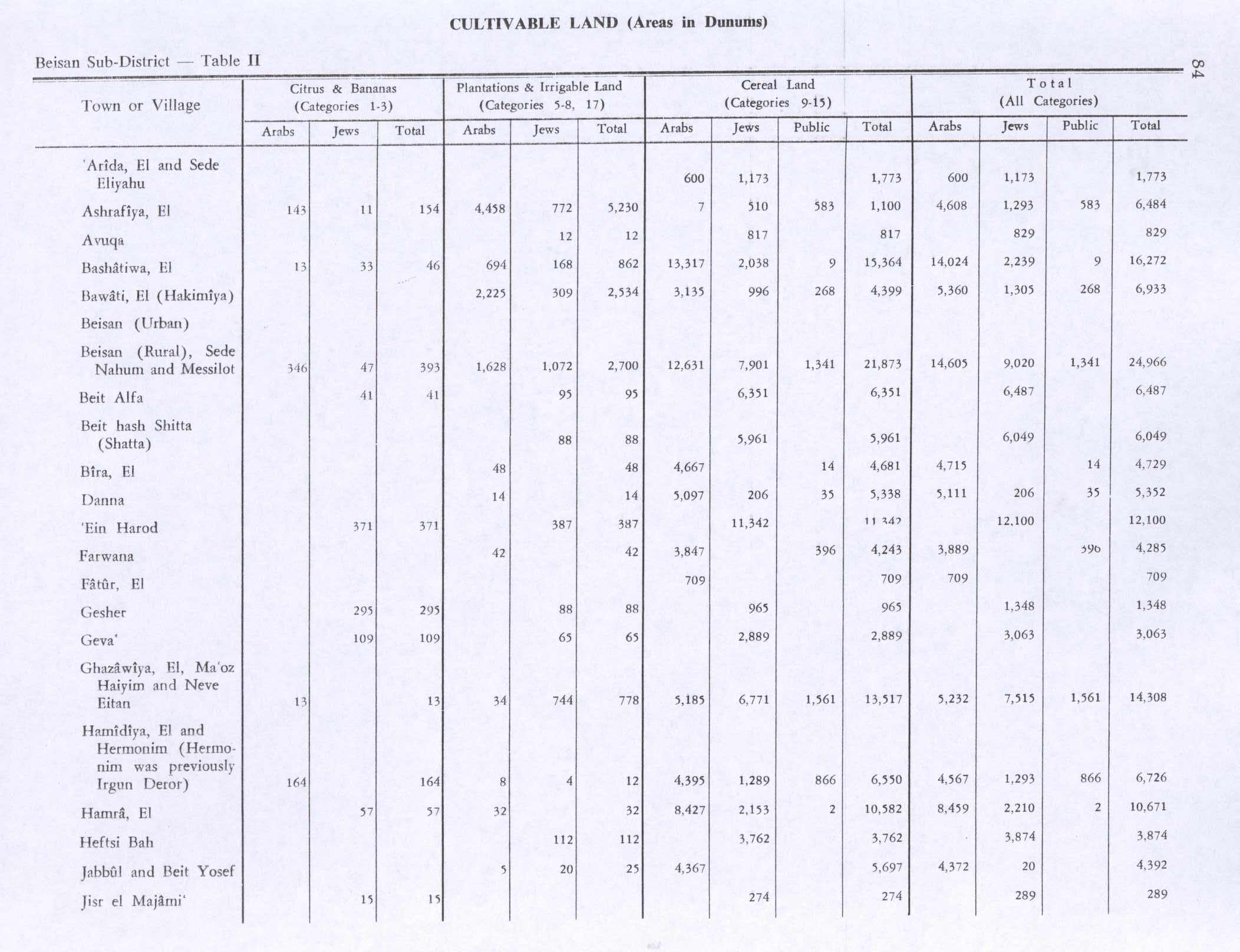
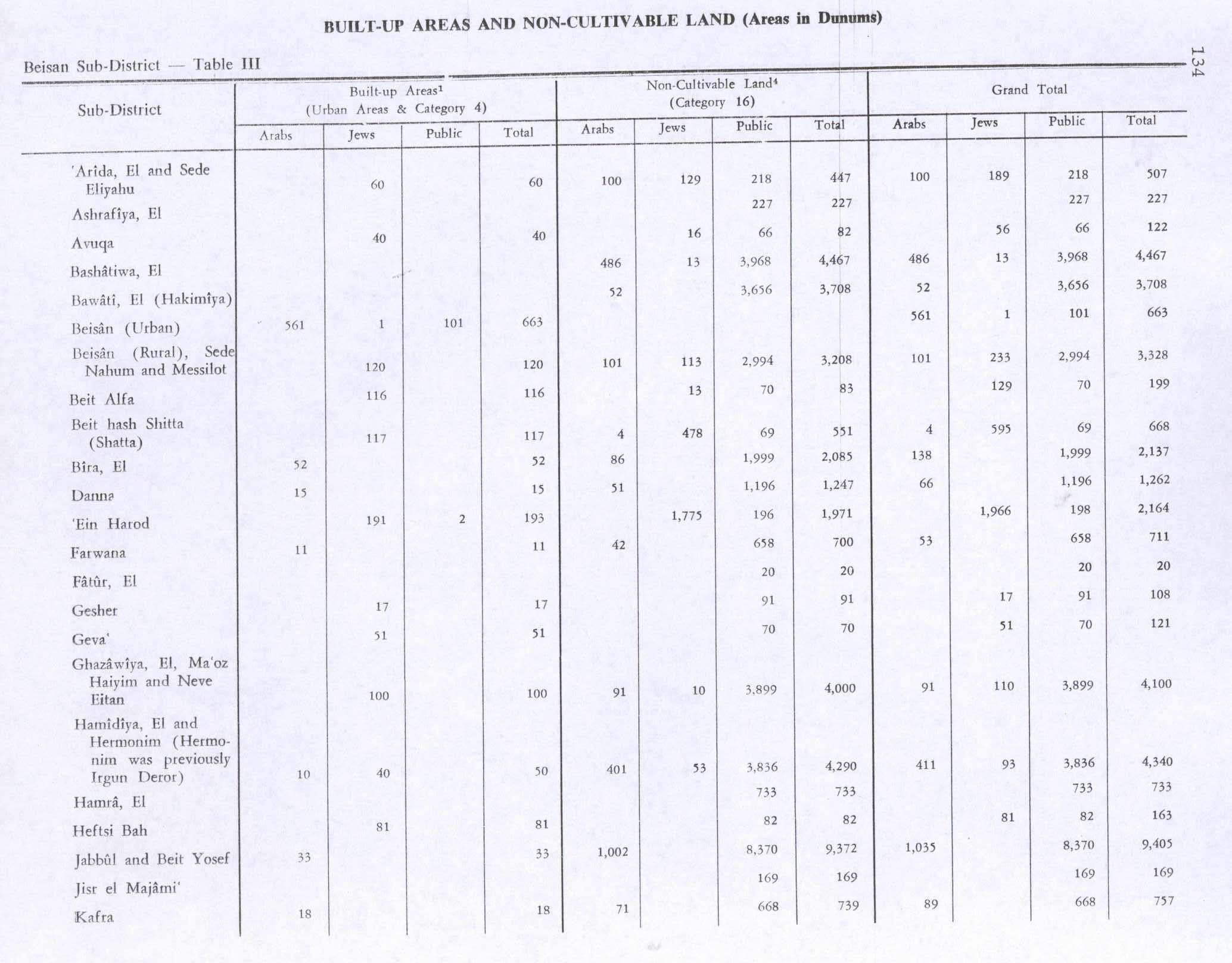
In the 1945 statistics, Al-Ghazzawiyya had 1,020, all Muslim inhabitants[4] with a total of 18,408 dunams of land.[5] Of this, a total of 13 dunams were used for citrus and bananas, 5,185 dunums for cereals, 34 dunums were irrigated or used for orchards,[6][7] while 91 dunams were classified as non-cultivable land.[8]
1948 and aftermath
It was occupied by Israel's Golani Brigade on May 20, 1948, during Operation Gideon, an Israeli offensive during the 1948 Arab-Israeli War. The Arab population was forced to flee to nearby Syria or the present-day West Bank.[9]
The Jewish localities of Maoz Haim and Neve Eitan are built on the lands of the former village, though a large percentage of it is used as agricultural land, in particular the wheat crop. According to Walid Khalidi, the village contained an archaeological site, Tell al-Ru'yan which was transformed into waste dump.[9]
See also
References
<templatestyles src="Reflist/styles.css" />
- ↑ a b Khalidi, 1992, p. 48
- ↑ Khalidi, 1992, pp. 48–49
- ↑ Mills, 1932, p. 77
- ↑ Cite error: Script error: No such module "Namespace detect".Script error: No such module "Namespace detect".
- ↑ Cite error: Script error: No such module "Namespace detect".Script error: No such module "Namespace detect".
- ↑ Khalidi, 1992, p. 49
- ↑ Government of Palestine, Department of Statistics. Village Statistics, April, 1945. Quoted in Hadawi, 1970, p.84
- ↑ Government of Palestine, Department of Statistics. Village Statistics, April, 1945. Quoted in Hadawi, 1970, p. 134
- ↑ a b Al-Ghazzawiyya: Town Statistics and Facts
Script error: No such module "Check for unknown parameters".
Bibliography
<templatestyles src="Refbegin/styles.css" />
- Script error: No such module "citation/CS1".
- Script error: No such module "citation/CS1".
- Script error: No such module "citation/CS1".
- Script error: No such module "citation/CS1".
- Script error: No such module "citation/CS1".
External links
- Al-Ghazzawiyya
- al-Ghazzawiyya, Zochrot
- Survey of Western Palestine, map 9: IAA, Wikimedia commons
- Al-Ghazzawiyya, from the Khalil Sakakini Cultural Center

Template:Palestinian Arab villages depopulated during the 1948 Palestine War